
Future of Smart Valve Technology in Industries

As industries embrace automation, digital transformation, and Industry 4.0 initiatives, smart valve technology is rapidly becoming a key component of modern industrial operations. Smart valves combine traditional flow control functions with advanced sensors, communication systems, and intelligent monitoring capabilities, allowing businesses to optimize performance, improve efficiency, and reduce operational risks.

Unlike conventional valves that require manual inspection and maintenance, smart valves provide real-time data on operating conditions, valve position, pressure, temperature, and system performance. This enables operators to make informed decisions, detect potential issues early, and ensure continuous process reliability across critical applications.

Smart valve technology is transforming industrial automation by delivering real-time insights, predictive maintenance capabilities, and enhanced operational efficiency.

— KARMA Valves

Why Smart Valve Technology Is Gaining Importance

Industrial facilities are increasingly focusing on improving productivity while minimizing downtime and maintenance costs. Smart valves play a vital role in achieving these objectives by providing continuous monitoring and automated control of fluid systems.

With integrated sensors and communication networks, smart valves can transmit valuable performance data to centralized control systems. This allows operators to monitor equipment health remotely, optimize process parameters, and respond quickly to changing operating conditions.

  • Real-time monitoring of valve performance
  • Improved process control and automation
  • Early detection of system abnormalities
  • Predictive maintenance capabilities
  • Reduced operational downtime
  • Enhanced energy efficiency and resource management

Key Features of Smart Valves

Smart valves incorporate advanced technologies that go beyond basic flow regulation. Their intelligent features help industries improve reliability, safety, and operational visibility throughout the production process.

  • Integrated sensors for pressure, temperature, and flow measurement
  • Remote monitoring and diagnostics
  • Automated valve positioning and control
  • Wireless and IoT connectivity options
  • Performance analytics and reporting
  • Predictive maintenance alerts and notifications

Industrial Applications of Smart Valve Technology

Smart valves are increasingly being adopted across various industries where process optimization, reliability, and safety are critical. Their ability to provide actionable data helps organizations improve operational performance and reduce maintenance-related disruptions.

  • Oil & Gas Processing Facilities
  • Chemical & Petrochemical Plants
  • Water Treatment & Distribution Systems
  • Power Generation Facilities
  • Food & Beverage Manufacturing
  • Pharmaceutical Production Plants
  • Mining & Industrial Processing Operations

Benefits of Smart Valves for Modern Industries

One of the greatest advantages of smart valve technology is its ability to support predictive maintenance strategies. By continuously analyzing performance data, smart valves can identify wear, leakage, or performance degradation before a failure occurs.

This proactive approach helps reduce maintenance costs, improve equipment lifespan, and prevent costly production interruptions. Additionally, smart valves enhance workplace safety by providing accurate operational data and enabling remote management of critical systems.

The Future of Smart Valve Technology

The future of smart valve technology is closely linked to advancements in artificial intelligence, machine learning, and Industrial Internet of Things (IIoT) platforms. Future smart valves will become even more intelligent, capable of self-diagnosis, adaptive control, and autonomous decision-making based on real-time process conditions.

As industries continue investing in digital infrastructure and connected systems, smart valves will play an increasingly important role in improving operational efficiency, sustainability, and reliability. Their ability to deliver valuable insights and automate critical processes positions them as a cornerstone of next-generation industrial facilities.

Conclusion

Smart valve technology is revolutionizing industrial flow control by combining automation, connectivity, and data-driven intelligence. As businesses seek greater efficiency, predictive maintenance capabilities, and improved process visibility, the adoption of smart valves will continue to accelerate. Investing in smart valve solutions today helps industries prepare for a more connected, efficient, and technologically advanced future.
Benefits of High-Quality Industrial Valves

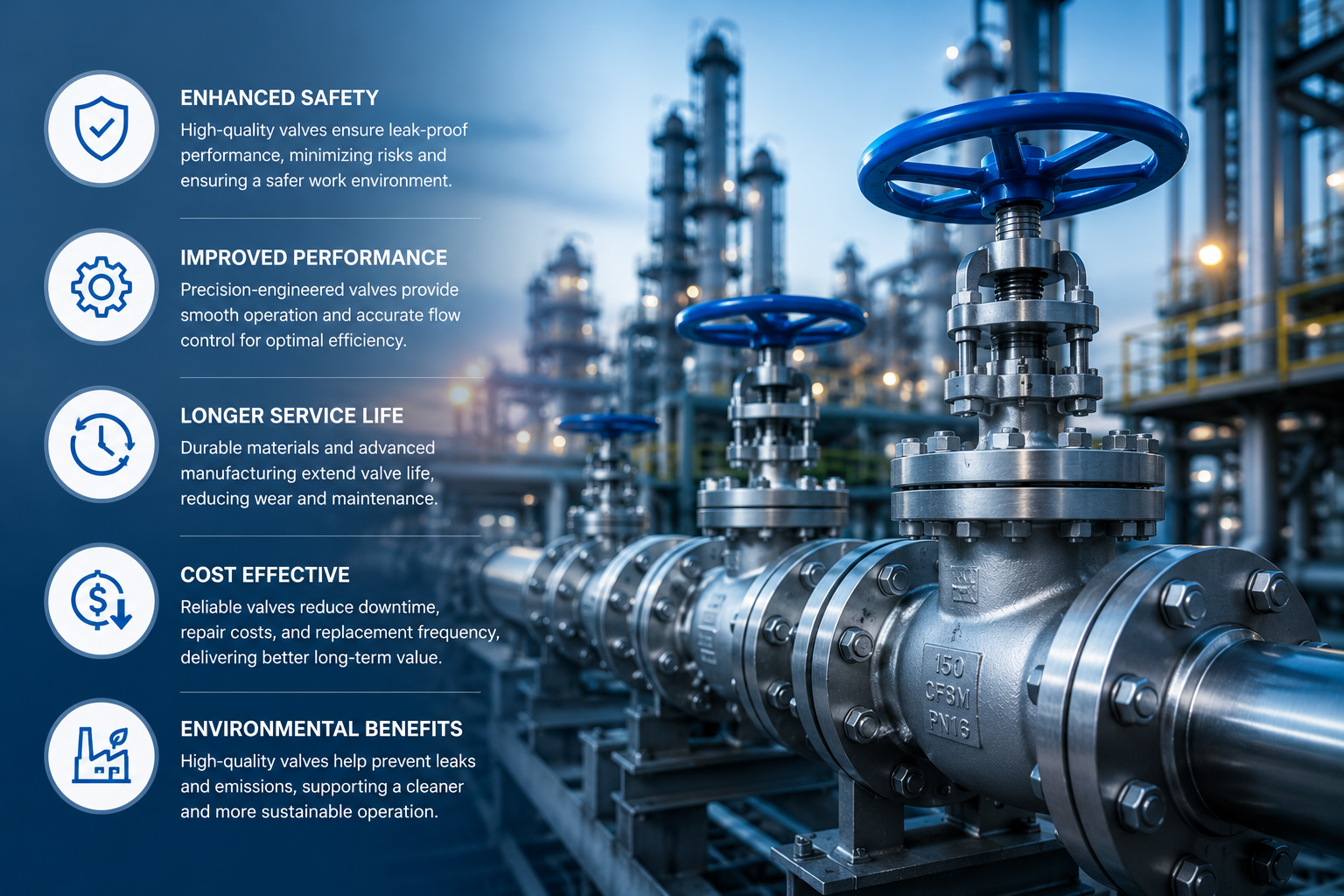
Industrial valves are essential components in fluid control systems, playing a critical role in regulating the flow of liquids, gases, and steam across various industries. The quality of these valves directly impacts operational efficiency, safety, and long-term system performance. Investing in high-quality industrial valves helps businesses minimize downtime, reduce maintenance costs, and ensure reliable operation in demanding environments.

While lower-cost alternatives may offer short-term savings, they often result in frequent repairs, leakage issues, and premature failures. High-quality industrial valves are engineered using superior materials and advanced manufacturing processes, ensuring consistent performance even under extreme pressure, temperature, and corrosive conditions.

High-quality industrial valves provide the reliability, durability, and performance needed to keep critical operations running safely and efficiently.

— KARMA Valves

Why Valve Quality Matters

Industrial systems rely on precise flow control to maintain productivity and operational stability. A poorly performing valve can lead to leakage, pressure fluctuations, equipment damage, and unexpected shutdowns. High-quality valves help eliminate these risks by delivering dependable performance throughout their service life.

Manufacturers that prioritize quality control, material selection, and rigorous testing ensure that their valves meet industry standards and perform consistently across a wide range of applications.

  • Improved system reliability and performance
  • Reduced risk of leakage and equipment failure
  • Enhanced operational safety
  • Longer service life and durability
  • Lower maintenance and replacement costs
  • Better compliance with industry standards

Key Benefits of High-Quality Industrial Valves

Investing in premium industrial valves offers significant advantages for businesses looking to optimize their operations and reduce long-term costs.

  • Superior durability in demanding environments
  • Consistent performance under high pressure and temperature
  • Improved sealing capabilities to prevent leaks
  • Reduced maintenance requirements and downtime
  • Greater resistance to corrosion and wear
  • Enhanced efficiency of fluid handling systems

Applications Across Industries

High-quality industrial valves are widely used in industries where safety, efficiency, and reliability are critical. Their robust construction allows them to handle challenging operating conditions while maintaining optimal performance.

  • Oil & Gas Processing Facilities
  • Chemical & Petrochemical Plants
  • Power Generation Stations
  • Water Treatment & Distribution Systems
  • Food & Beverage Manufacturing
  • Pharmaceutical Production Facilities
  • Marine and Offshore Operations

Long-Term Cost Savings

Although high-quality valves may require a greater initial investment, they often deliver substantial long-term savings. Their durability and reliability help reduce repair expenses, minimize production interruptions, and extend the lifespan of connected equipment.

By reducing the frequency of maintenance and replacements, businesses can achieve lower total ownership costs while improving operational efficiency and productivity.

Supporting Safety and Compliance

Industrial facilities must adhere to strict safety and regulatory standards. High-quality valves help maintain safe operating conditions by providing accurate flow control and dependable shut-off capabilities. Their compliance with industry certifications and quality standards ensures confidence in critical applications.

Reliable valve performance also helps prevent accidents, environmental incidents, and product contamination, making them a valuable investment for any industrial operation.

Conclusion

High-quality industrial valves are essential for ensuring reliable, efficient, and safe industrial operations. Their superior construction, long service life, and consistent performance help businesses reduce downtime, lower maintenance costs, and improve overall productivity. By investing in quality valve solutions, industries can achieve greater operational stability and long-term value while maintaining the highest standards of safety and performance.

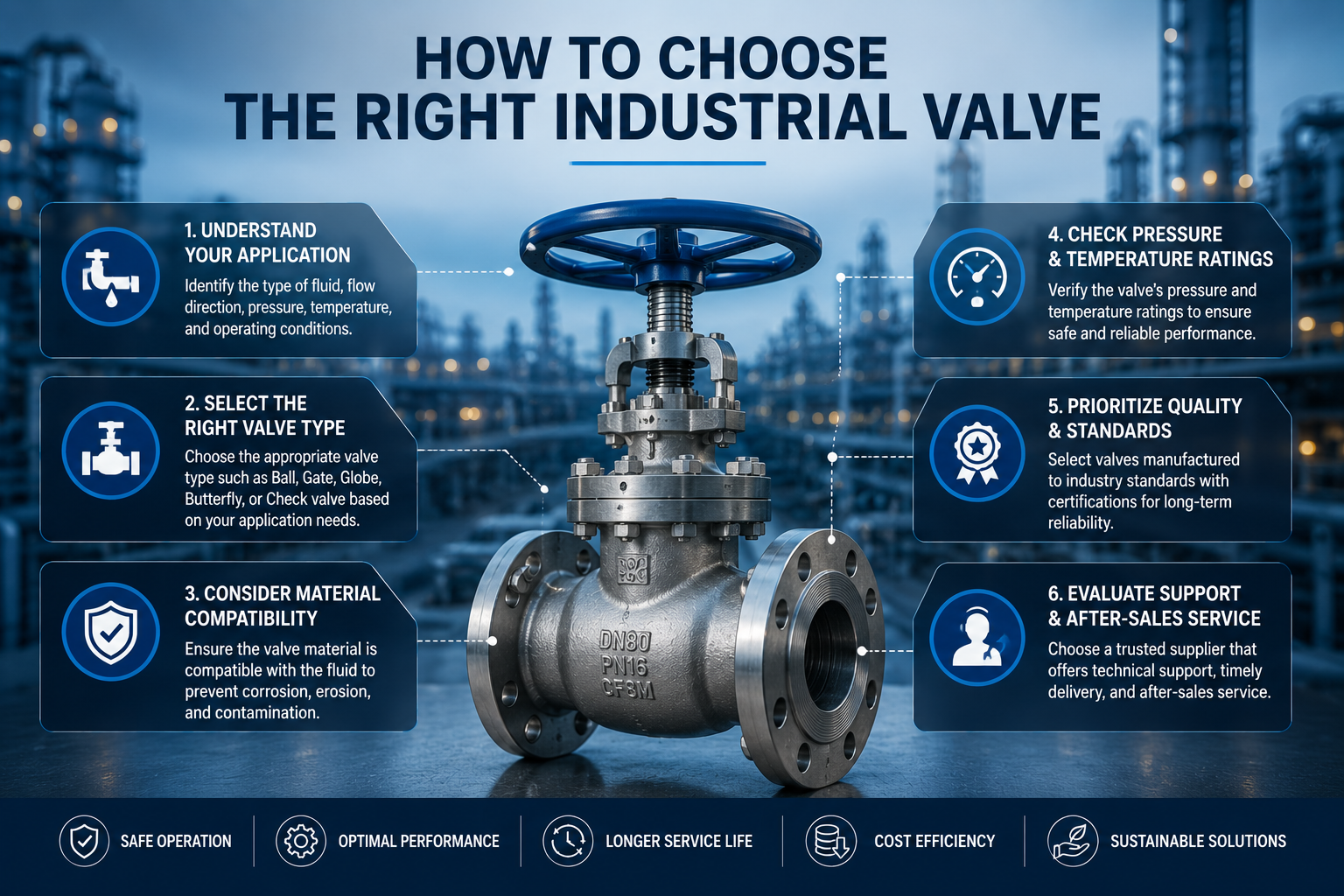
How to Choose the Right Industrial Valve

Selecting the right industrial valve is essential for ensuring efficient, safe, and reliable operation of any fluid handling system. Valves play a critical role in controlling the flow of liquids, gases, steam, and other media across industrial processes. Choosing the wrong valve can lead to performance issues, increased maintenance costs, system failures, and operational downtime.

With a wide variety of valve types, materials, and configurations available, understanding the specific requirements of your application is the first step toward making the right selection. Factors such as pressure, temperature, flow characteristics, and media compatibility all influence valve performance and longevity.

The right industrial valve not only controls flow efficiently but also enhances system reliability, safety, and long-term operational performance.

— KARMA Valves

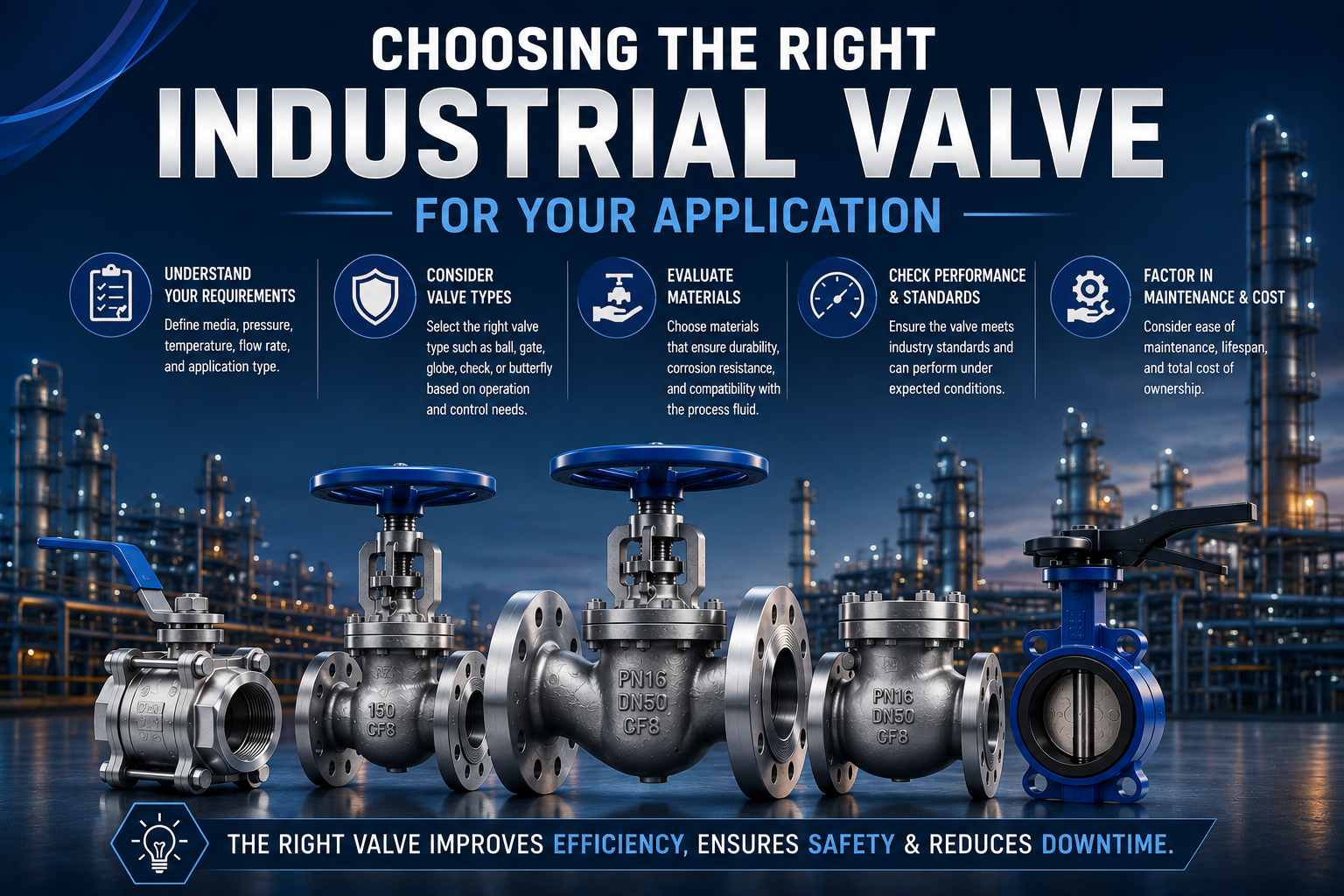
Understand Your Application Requirements

Before selecting a valve, it is important to evaluate the operating conditions of your system. Different industrial processes have unique requirements, and the valve must be capable of performing reliably under those conditions.

Consider factors such as the type of media being handled, operating pressure, temperature range, flow rate, and installation environment. These factors help determine the most suitable valve design and material.

  • Type of fluid, gas, steam, or chemical being controlled
  • Operating pressure and temperature conditions
  • Required flow rate and control accuracy
  • Frequency of valve operation
  • Environmental and safety requirements
  • Industry-specific standards and regulations

Choose the Appropriate Valve Type

Different valve designs are intended for specific functions. Selecting the correct valve type ensures optimal performance and efficiency within the system.

  • Ball Valves: Ideal for quick shut-off and reliable sealing.
  • Gate Valves: Best suited for full-flow isolation applications.
  • Globe Valves: Suitable for precise flow regulation.
  • Butterfly Valves: Lightweight and efficient for large-diameter pipelines.
  • Check Valves: Prevent backflow and protect system equipment.
  • Plug Valves: Effective for on-off control in various industrial processes.

Select the Right Valve Material

Material selection is critical to ensuring durability and compatibility with the process media. The wrong material can result in corrosion, wear, contamination, or premature failure.

  • Stainless Steel for corrosion resistance and hygienic applications
  • Carbon Steel for high-pressure industrial environments
  • Cast Iron for general-purpose applications
  • Bronze and Brass for water and low-pressure systems
  • Special alloys for highly corrosive or extreme-temperature conditions

Consider Pressure and Temperature Ratings

Every valve is designed to operate within specific pressure and temperature limits. Choosing a valve with the appropriate ratings helps ensure safety and long-term performance.

Always verify that the valve’s specifications meet or exceed the maximum operating conditions of the system. This reduces the risk of equipment damage and unexpected failures.

Evaluate Maintenance and Lifecycle Costs

While initial purchase cost is an important consideration, long-term value should also be evaluated. High-quality valves often provide lower lifecycle costs due to reduced maintenance requirements, longer service life, and improved reliability.

Investing in a durable and well-engineered valve can help minimize downtime and improve overall system efficiency over the years.

Work with a Trusted Valve Manufacturer

Partnering with an experienced and reputable valve manufacturer ensures access to high-quality products, technical expertise, and reliable support. Manufacturers with strong quality control processes and industry certifications can help you select valves that meet your operational requirements.

  • Proven product quality and performance
  • Compliance with industry standards
  • Technical guidance and support
  • Reliable after-sales service
  • Customized valve solutions when required

Conclusion

Choosing the right industrial valve requires careful consideration of application requirements, valve type, material compatibility, pressure and temperature conditions, and long-term maintenance needs. A properly selected valve improves system performance, enhances safety, and reduces operational costs. By working with a trusted valve manufacturer and investing in quality products, businesses can ensure reliable and efficient flow control for years to come.

Why Stainless-Steel Valves Are in High Demand

In today’s industrial landscape, reliability, durability, and efficiency are critical factors when selecting flow control equipment. Stainless-steel valves have become the preferred choice across industries due to their exceptional corrosion resistance, long service life, and ability to perform in demanding environments. From chemical processing plants and oil & gas facilities to food processing and water treatment systems, stainless-steel valves play a vital role in ensuring safe and efficient operations.

Unlike conventional materials, stainless steel offers superior resistance against rust, chemical reactions, and extreme temperatures. This makes stainless-steel valves ideal for applications where product purity, operational safety, and long-term performance are essential. Their robust construction helps reduce maintenance requirements, minimize downtime, and improve overall system efficiency.

Stainless-steel valves are an investment in reliability, delivering long-lasting performance, corrosion resistance, and operational efficiency across a wide range of industrial applications.

— KARMA Valves

Key Reasons Behind Their Growing Demand

As industries continue to modernize their infrastructure and prioritize operational efficiency, the demand for stainless-steel valves continues to grow. Their versatility and performance make them suitable for a wide range of fluid handling applications.

Stainless-steel valves provide excellent resistance to corrosion, making them ideal for aggressive chemicals, seawater environments, and sanitary applications. Their strength and durability enable them to withstand high pressures and temperatures without compromising performance.

  • Superior corrosion and rust resistance
  • Excellent performance in high-temperature applications
  • Long service life with minimal maintenance
  • Suitable for food, pharmaceutical, and hygienic processes
  • High strength and pressure-handling capabilities
  • Reduced lifecycle costs and downtime

Applications of Stainless-Steel Valves

Stainless-steel valves are widely used in industries where reliability and cleanliness are essential. Their ability to handle various media while maintaining structural integrity makes them a trusted solution across multiple sectors.

  • Chemical & Petrochemical Plants
  • Oil & Gas Processing Facilities
  • Food & Beverage Manufacturing
  • Pharmaceutical Production
  • Water Treatment & Distribution Systems
  • Power Generation Plants
  • Marine & Offshore Applications

Benefits for Industrial Operations

Choosing stainless-steel valves can significantly improve operational reliability while reducing maintenance costs. Their resistance to wear, corrosion, and contamination ensures uninterrupted performance even under harsh operating conditions.

In addition, stainless-steel valves contribute to enhanced safety and regulatory compliance, particularly in industries that require hygienic processing or exposure to aggressive chemicals. Their durable design helps maximize productivity and minimize unexpected equipment failures.

Conclusion

The increasing demand for stainless-steel valves is driven by their unmatched durability, corrosion resistance, and long-term cost-effectiveness. As industries continue to focus on efficiency, sustainability, and operational reliability, stainless-steel valves remain a preferred choice for modern flow control systems. Investing in high-quality stainless-steel valves ensures dependable performance, reduced maintenance, and long-lasting value for industrial operations.

 Latest Trends in Industrial Valve Manufacturing Industry

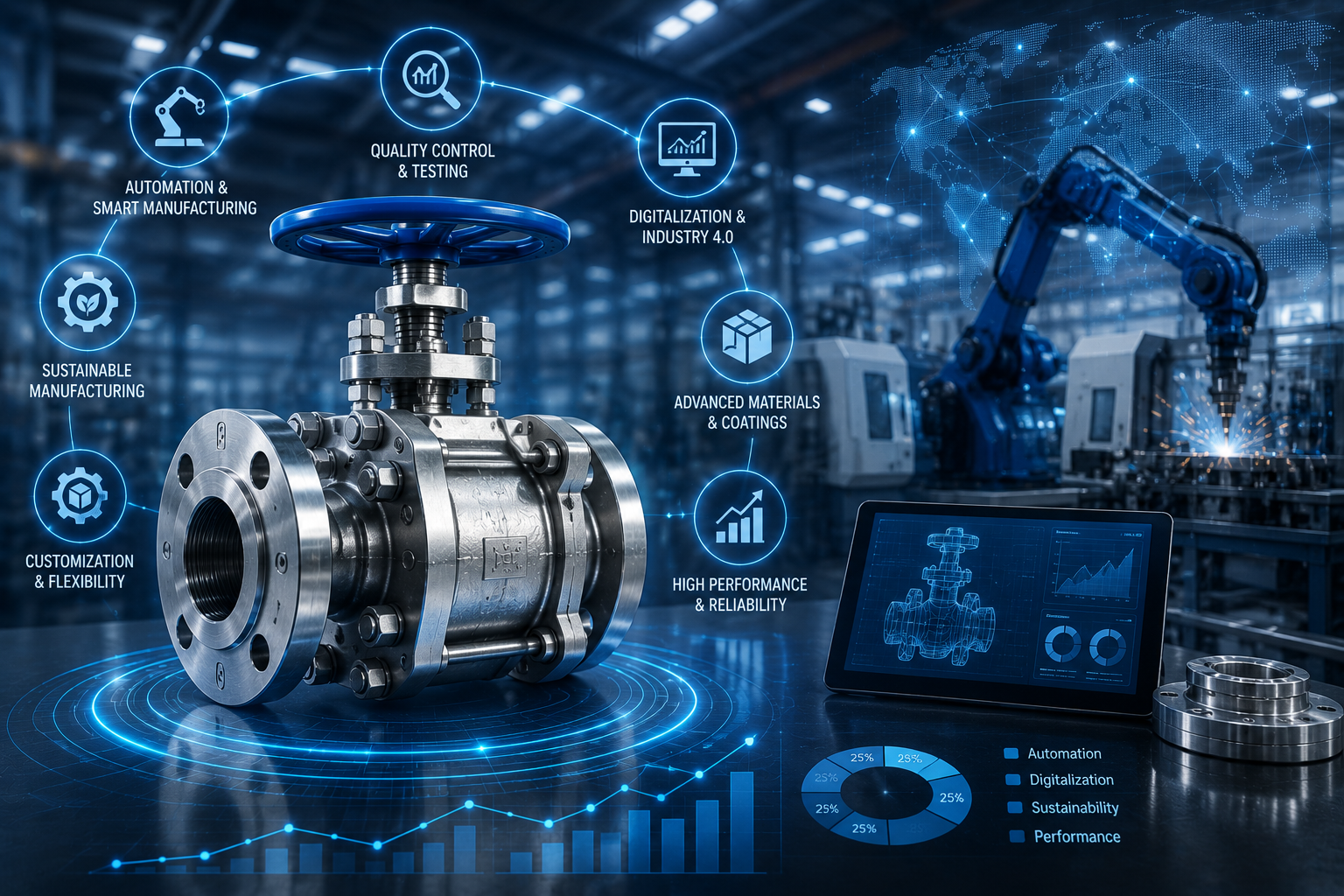
The industrial valve manufacturing industry is continuously evolving to meet the growing demands of modern industries. As sectors such as oil & gas, power generation, water treatment, chemical processing, and manufacturing embrace advanced technologies, valve manufacturers are focusing on innovation, efficiency, and reliability. Today’s industrial valves are no longer limited to basic flow control—they are becoming smarter, more durable, and better integrated with automated systems.

Driven by Industry 4.0, sustainability initiatives, and increasing operational requirements, manufacturers are investing in new materials, digital technologies, and precision engineering to deliver high-performance valve solutions. These advancements are helping industries improve productivity, reduce maintenance costs, and enhance overall system reliability.

The future of industrial valve manufacturing lies in innovation, automation, and smart technologies that enhance performance, efficiency, and operational reliability.

— KARMA Valves

Growing Adoption of Smart Valve Technology

One of the most significant trends in the valve industry is the increasing adoption of smart valves. These advanced valves are equipped with sensors, actuators, and communication capabilities that provide real-time monitoring and diagnostics.

Smart valves help industries optimize operations by enabling predictive maintenance, remote monitoring, and automated process control. This reduces unplanned downtime and improves overall equipment performance.

  • Real-time performance monitoring
  • Remote operation and diagnostics
  • Predictive maintenance capabilities
  • Improved process automation
  • Enhanced operational efficiency

Advanced Materials and Improved Durability

Manufacturers are increasingly utilizing advanced materials to improve valve performance and longevity. Stainless steel, duplex steel, special alloys, and corrosion-resistant coatings are becoming more common in demanding industrial applications.

These materials help valves withstand harsh operating conditions, including high pressures, extreme temperatures, and corrosive environments, resulting in longer service life and reduced maintenance requirements.

  • Enhanced corrosion resistance
  • Improved wear and abrasion protection
  • Higher temperature tolerance
  • Extended operational lifespan
  • Reduced maintenance costs

Automation and Industry 4.0 Integration

Industrial facilities are increasingly integrating valves into automated control systems. Manufacturers are developing valve solutions that seamlessly connect with Industrial Internet of Things (IIoT) platforms and digital monitoring systems.

This integration enables data-driven decision-making, better process visibility, and improved operational efficiency across industrial facilities.

  • IIoT-enabled valve systems
  • Cloud-based monitoring and analytics
  • Automated process control
  • Real-time performance insights
  • Improved asset management

Focus on Energy Efficiency and Sustainability

Sustainability has become a major priority across industries, and valve manufacturers are responding by designing energy-efficient products. Modern valve designs aim to minimize leakage, optimize flow control, and reduce energy consumption throughout industrial processes.

Environmentally responsible manufacturing practices and sustainable materials are also gaining importance as companies work toward achieving their environmental goals.

  • Reduced energy consumption
  • Lower emissions and environmental impact
  • Leakage prevention technologies
  • Eco-friendly manufacturing processes
  • Support for sustainability initiatives

Precision Manufacturing and Quality Control

Advances in manufacturing technologies such as CNC machining, robotic automation, and digital quality inspection systems are improving the precision and consistency of industrial valves. These technologies help manufacturers achieve tighter tolerances and higher product quality standards.

Enhanced quality control processes ensure reliable valve performance while reducing defects and improving customer confidence.

Increasing Demand for Customized Valve Solutions

Industrial applications often have unique requirements that standard products cannot fully address. As a result, manufacturers are offering more customized valve solutions tailored to specific industries, operating conditions, and process requirements.

Customized valves help improve efficiency, reliability, and compatibility while addressing the unique challenges of specialized applications.

Conclusion

The industrial valve manufacturing industry is experiencing significant transformation through smart technologies, advanced materials, automation, and sustainability-focused innovations. As industries continue to modernize their operations, the demand for high-performance, intelligent, and reliable valve solutions will continue to grow. Companies that embrace these latest trends can improve efficiency, reduce operational costs, and achieve greater long-term success in an increasingly competitive industrial environment.

Best Industrial Valve Manufacturer for Quality and Reliability

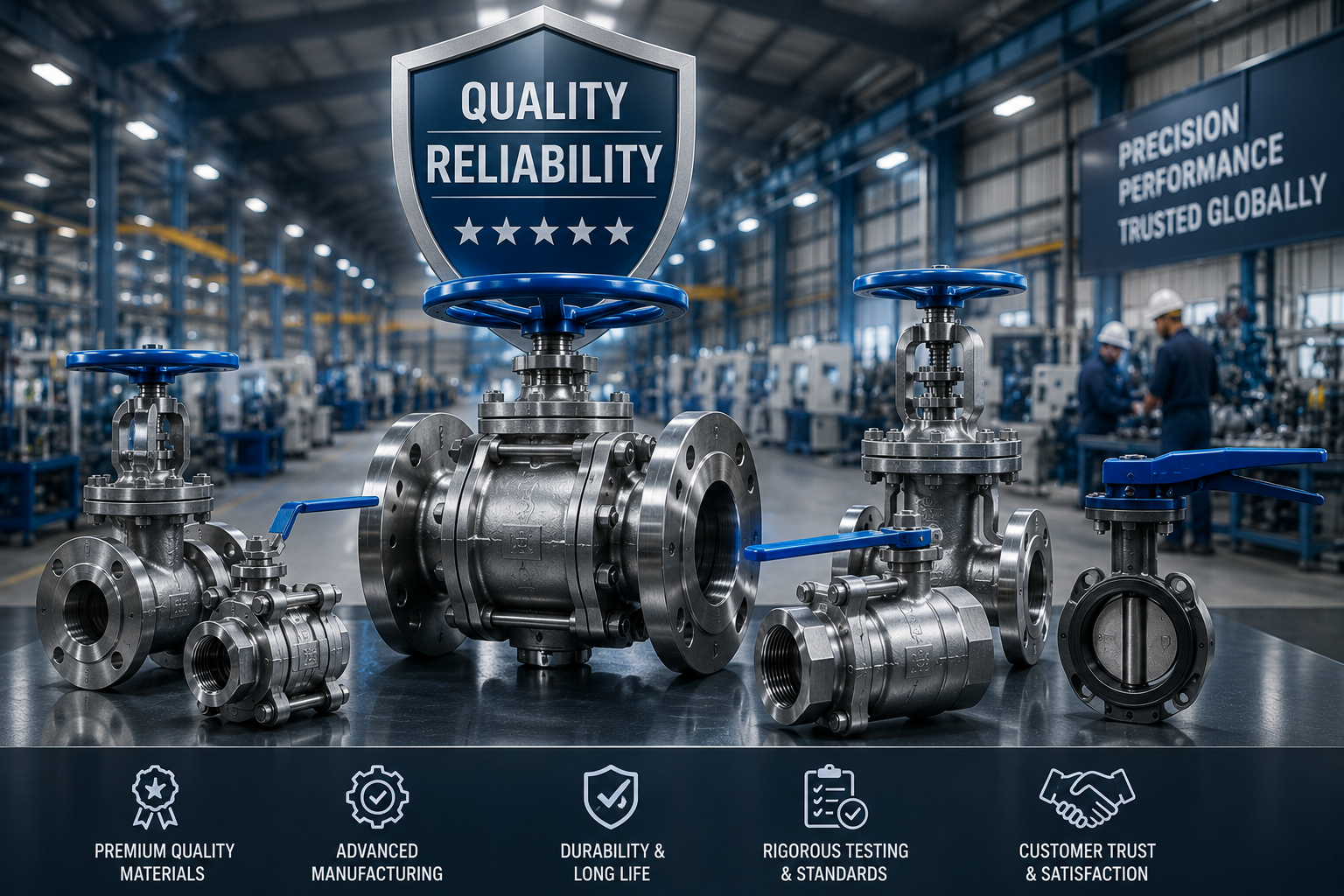
Choosing the right industrial valve manufacturer is essential for ensuring reliable system performance, operational safety, and long-term efficiency. Industrial valves are critical components in controlling the flow of liquids, gases, steam, and other process media across various industries. The quality of these valves directly impacts productivity, maintenance requirements, and overall operational costs.

A trusted industrial valve manufacturer delivers products that meet stringent quality standards, provide consistent performance, and withstand demanding operating conditions. From oil & gas facilities and chemical processing plants to water treatment systems and power generation industries, reliable valve solutions play a vital role in maintaining smooth and efficient operations.

Quality industrial valves are the foundation of safe, efficient, and reliable flow control systems across modern industries.

— KARMA Valves

What Defines a Reliable Industrial Valve Manufacturer?

The best industrial valve manufacturers are distinguished by their commitment to quality, innovation, and customer satisfaction. They invest in advanced manufacturing processes, rigorous testing procedures, and continuous product development to ensure superior valve performance.

Reliability goes beyond product quality. It also includes technical expertise, timely delivery, responsive customer support, and the ability to provide solutions for diverse industrial applications.

  • Strict quality control and testing standards
  • Use of premium-grade materials
  • Compliance with international certifications and standards
  • Advanced manufacturing capabilities
  • Strong technical support and engineering expertise
  • Proven track record across industries

Key Features of High-Quality Industrial Valves

High-quality industrial valves are designed to deliver dependable performance in challenging environments. They are engineered to withstand pressure fluctuations, temperature extremes, and corrosive media while maintaining precise flow control.

  • Excellent durability and long service life
  • Superior sealing performance
  • High resistance to corrosion and wear
  • Reliable operation under extreme conditions
  • Low maintenance requirements
  • Consistent and accurate flow control

Industries That Depend on Reliable Valve Manufacturers

Industrial valves are used across a wide range of sectors where performance, safety, and efficiency are critical. Reliable manufacturers provide solutions tailored to the unique demands of each industry.

  • Oil & Gas Processing Facilities
  • Chemical & Petrochemical Plants
  • Water Treatment and Distribution Systems
  • Power Generation Stations
  • Food & Beverage Manufacturing
  • Pharmaceutical Processing Facilities
  • Marine and Offshore Applications

Benefits of Partnering with a Trusted Manufacturer

Working with a reputable industrial valve manufacturer offers numerous advantages beyond product quality. Reliable manufacturers help businesses improve operational efficiency, reduce maintenance costs, and minimize unexpected equipment failures.

Their technical expertise and product knowledge ensure that customers receive the most suitable valve solutions for their specific applications, leading to better performance and long-term value.

  • Improved operational reliability
  • Reduced downtime and maintenance costs
  • Access to technical expertise and support
  • Customized valve solutions for specialized applications
  • Faster delivery and dependable service
  • Long-term return on investment

Why Quality Should Never Be Compromised

While lower-cost valve options may appear attractive initially, they often result in higher lifecycle costs due to frequent repairs, replacements, and operational disruptions. Investing in high-quality valves from a trusted manufacturer helps prevent these issues and ensures consistent system performance.

Reliable valves contribute to safer operations, improved productivity, and compliance with industry regulations, making quality a crucial factor in the selection process.

Conclusion

Selecting the best industrial valve manufacturer is a strategic decision that directly impacts operational efficiency, safety, and long-term business success. A manufacturer known for quality, reliability, and technical expertise can provide durable valve solutions that perform consistently in demanding industrial environments. By partnering with a trusted valve manufacturer, businesses can ensure dependable flow control, reduced maintenance costs, and greater confidence in their operations.

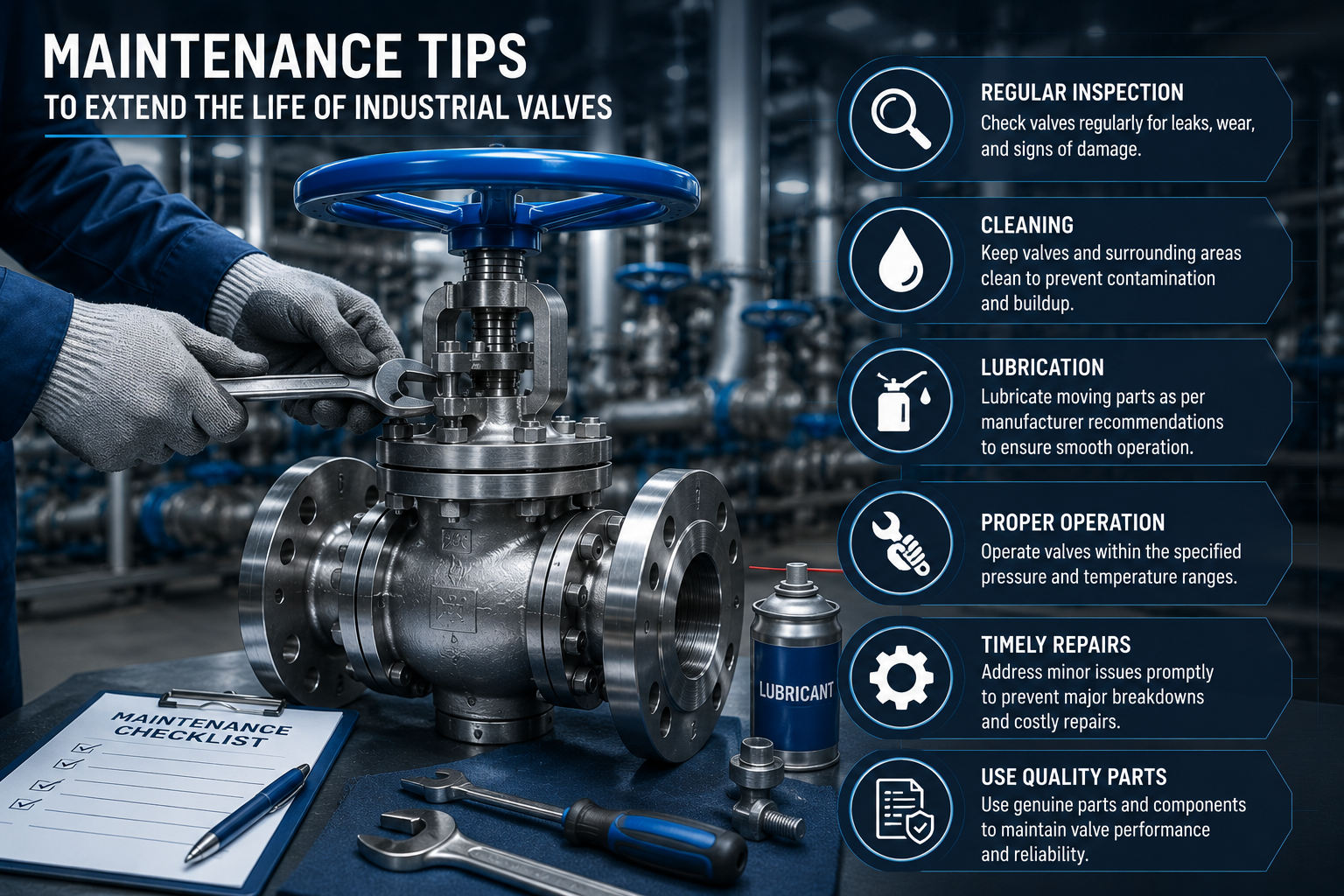
Maintenance Tips to Extend the Life of Industrial Valves

Industrial valves are critical components in fluid control systems, ensuring the safe and efficient regulation of liquids, gases, and steam across a wide range of industries. While high-quality valves are designed for durability, regular maintenance is essential to maximize their performance and service life. Proper valve maintenance not only reduces the risk of unexpected failures but also helps minimize downtime and costly repairs.

Over time, valves are exposed to pressure fluctuations, temperature variations, corrosion, and wear caused by continuous operation. Implementing a proactive maintenance strategy can help identify potential issues early and ensure reliable performance throughout the valve’s lifecycle.

Regular maintenance is the key to extending valve lifespan, improving reliability, and reducing long-term operational costs.

— KARMA Valves

Why Industrial Valve Maintenance Matters

Neglecting valve maintenance can lead to leakage, reduced efficiency, system failures, and safety risks. Regular inspections and preventive maintenance help ensure that valves continue to operate efficiently under demanding industrial conditions.

A well-maintained valve system improves operational reliability, reduces downtime, and supports the overall performance of the facility.

  • Prevents unexpected equipment failures
  • Reduces costly downtime and repairs
  • Improves operational efficiency
  • Enhances workplace safety
  • Extends valve service life
  • Maintains consistent system performance

Conduct Regular Inspections

Routine visual inspections are one of the most effective ways to detect potential valve issues before they become major problems. Operators should regularly check valves for signs of leakage, corrosion, wear, or physical damage.

Early detection allows maintenance teams to take corrective action before performance is affected or costly failures occur.

  • Inspect valve bodies for cracks or damage
  • Check seals and gaskets for wear
  • Look for signs of corrosion or rust
  • Monitor for unusual noises or vibrations
  • Verify proper valve operation and positioning

Keep Valves Clean

Dirt, debris, and process contaminants can accumulate within valve components and affect performance. Regular cleaning helps prevent blockages, reduces wear, and ensures smooth operation.

Cleaning schedules should be based on operating conditions and the type of media flowing through the system.

  • Remove dirt and debris from external surfaces
  • Clean internal components when required
  • Prevent buildup that may restrict flow
  • Use appropriate cleaning methods for valve materials

Lubricate Moving Components

Valves with moving parts such as stems, actuators, and bearings require proper lubrication to minimize friction and wear. Using the correct lubricant helps ensure smooth operation and reduces the likelihood of mechanical failure.

Always follow the manufacturer’s recommendations regarding lubrication intervals and approved lubricants.

Monitor Operating Conditions

Operating valves outside their designed pressure and temperature limits can significantly reduce their lifespan. Regularly monitoring system conditions helps prevent excessive stress and premature component wear.

  • Maintain pressure within specified limits
  • Avoid extreme temperature fluctuations
  • Monitor flow rates and system performance
  • Ensure compatibility with process media

Replace Worn Components Promptly

Components such as seals, packing, gaskets, and seats naturally wear over time. Replacing these parts before they fail can prevent larger issues and extend the overall lifespan of the valve.

Establishing a preventive maintenance schedule helps ensure that worn components are identified and replaced at the appropriate time.

Maintain Accurate Maintenance Records

Keeping detailed maintenance records allows organizations to track valve performance, identify recurring issues, and optimize maintenance schedules. Historical data can provide valuable insights for improving reliability and reducing future maintenance costs.

  • Document inspection results
  • Record maintenance and repairs performed
  • Track component replacements
  • Monitor valve performance trends

Conclusion

Extending the life of industrial valves requires a proactive approach to maintenance, including regular inspections, cleaning, lubrication, monitoring operating conditions, and timely replacement of worn components. By implementing these best practices, industries can improve valve reliability, reduce downtime, enhance safety, and maximize the return on their investment. Proper maintenance not only protects critical equipment but also contributes to the long-term efficiency and success of industrial operations.

Importance of Valve Quality in Industrial Operations

Industrial valves are essential components in fluid control systems, responsible for regulating, directing, and isolating the flow of liquids, gases, and steam. Whether used in oil & gas facilities, chemical plants, water treatment systems, or power generation stations, valve performance directly impacts operational efficiency, safety, and reliability. This is why valve quality plays a crucial role in the success of industrial operations.

High-quality valves are designed to perform consistently under demanding conditions, including high pressure, extreme temperatures, and corrosive environments. Investing in quality valve solutions helps industries minimize downtime, reduce maintenance costs, and ensure uninterrupted production processes.

Valve quality is not just about performance—it is about ensuring safety, reliability, and long-term operational success.

— KARMA Valves

Why Valve Quality Matters

A valve is often a small component within a large industrial system, but its impact can be significant. Poor-quality valves may lead to leakage, pressure loss, equipment damage, and unexpected shutdowns, all of which can negatively affect productivity and profitability.

High-quality valves are manufactured using premium materials and strict quality control processes, ensuring reliable operation even in the most challenging industrial environments.

  • Improves operational reliability
  • Reduces the risk of system failures
  • Minimizes leakage and product loss
  • Enhances workplace safety
  • Supports long-term cost savings
  • Ensures compliance with industry standards

Impact on Operational Efficiency

Efficient fluid control is essential for maintaining smooth industrial processes. High-quality valves provide accurate flow regulation, helping operators optimize system performance and maintain consistent production output.

Reliable valve operation reduces the likelihood of disruptions, allowing facilities to achieve higher productivity while minimizing maintenance-related downtime.

  • Consistent flow control and regulation
  • Improved process stability
  • Reduced operational interruptions
  • Enhanced overall productivity

Enhancing Safety in Industrial Environments

Industrial facilities often handle hazardous chemicals, high-pressure fluids, and extreme operating conditions. In such environments, valve failure can create serious safety risks for personnel, equipment, and the surrounding environment.

High-quality valves are engineered to provide dependable sealing and shut-off performance, helping prevent leaks, contamination, and potentially dangerous incidents.

  • Prevents fluid and gas leakage
  • Reduces environmental risks
  • Protects workers and equipment
  • Supports safe system operation

Reducing Maintenance and Lifecycle Costs

Although premium-quality valves may require a higher initial investment, they often deliver significant long-term savings. Their durable construction and superior materials help reduce wear, corrosion, and component failures.

As a result, maintenance requirements are minimized, replacement intervals are extended, and overall lifecycle costs are reduced.

  • Longer service life
  • Lower maintenance expenses
  • Reduced replacement frequency
  • Improved return on investment

The Role of Quality Materials and Manufacturing

Valve quality depends heavily on material selection, engineering design, and manufacturing precision. High-quality valves are typically produced using durable materials such as stainless steel, carbon steel, and specialized alloys that can withstand harsh operating conditions.

Advanced manufacturing techniques and rigorous testing procedures ensure that each valve meets strict performance and safety standards before being deployed in the field.

Industries That Depend on High-Quality Valves

Many industries rely on high-performance valve solutions to maintain efficiency and safety in their operations.

  • Oil & Gas Processing
  • Chemical & Petrochemical Manufacturing
  • Water Treatment and Distribution
  • Power Generation Facilities
  • Food & Beverage Production
  • Pharmaceutical Manufacturing
  • Marine and Offshore Applications

Conclusion

The quality of industrial valves has a direct impact on operational efficiency, safety, reliability, and long-term cost management. High-quality valves provide dependable performance, reduce maintenance requirements, and help industries maintain uninterrupted operations even under demanding conditions. By prioritizing valve quality, businesses can improve productivity, enhance safety, and achieve greater long-term value from their industrial systems.

Choosing the Right Industrial Valve for Your Application

Industrial valves are essential components in fluid control systems, helping regulate, direct, and isolate the flow of liquids, gases, steam, and other process media. Selecting the right valve for a specific application is critical for ensuring system efficiency, operational safety, and long-term reliability. A properly chosen valve can improve performance, reduce maintenance requirements, and help prevent costly operational disruptions.

With a wide range of valve types, materials, and configurations available, understanding the unique requirements of your application is the key to making the right decision. Factors such as media characteristics, operating pressure, temperature, and flow control needs should all be carefully evaluated before selecting a valve.

The right valve selection ensures reliable performance, improved efficiency, and long-term value for any industrial process.

— KARMA Valves

Understand the Application Requirements

The first step in selecting an industrial valve is understanding the operating conditions and process requirements. Different applications demand different valve characteristics, and choosing a valve without evaluating these factors can lead to poor performance and premature failure.

Consider the type of media being handled, operating environment, pressure levels, temperature ranges, and desired flow control functionality before making a selection.

  • Type of fluid, gas, steam, or chemical being controlled
  • Operating pressure and temperature conditions
  • Required flow rate and control accuracy
  • Frequency of operation
  • Environmental and safety considerations
  • Industry-specific standards and compliance requirements

Select the Appropriate Valve Type

Different valve designs serve different functions. Choosing the correct valve type is essential for achieving optimal system performance and reliability.

  • Ball Valves: Ideal for quick shut-off and tight sealing applications.
  • Gate Valves: Suitable for full-flow isolation with minimal pressure drop.
  • Globe Valves: Designed for accurate flow regulation and throttling.
  • Butterfly Valves: Lightweight and efficient for large-diameter piping systems.
  • Check Valves: Prevent reverse flow and protect system components.
  • Plug Valves: Effective for on-off control and specific industrial processes.

Choose the Right Valve Material

Material compatibility is one of the most important considerations when selecting a valve. The valve material must be capable of withstanding the process media and operating conditions without corrosion, degradation, or contamination.

  • Stainless Steel for corrosion resistance and hygienic applications
  • Carbon Steel for high-pressure and high-temperature systems
  • Cast Iron for general industrial use
  • Bronze and Brass for water distribution systems
  • Special alloys for highly corrosive or extreme environments

Evaluate Pressure and Temperature Ratings

Every valve is designed to operate within specific pressure and temperature limits. Selecting a valve with ratings that meet or exceed system requirements is essential for ensuring safety and reliable operation.

Operating a valve beyond its recommended limits can lead to performance issues, accelerated wear, and potential system failures.

  • Verify maximum working pressure requirements
  • Confirm temperature compatibility
  • Review pressure class and valve specifications
  • Ensure compliance with applicable standards

Consider Maintenance and Lifecycle Costs

While initial purchase cost is an important factor, the total cost of ownership should also be considered. High-quality valves often provide greater long-term value by reducing maintenance requirements, minimizing downtime, and extending service life.

Investing in durable and reliable valve solutions can significantly lower operating costs over the lifespan of the system.

Focus on Reliability and Quality

Valve quality directly impacts operational efficiency and safety. Selecting valves from trusted manufacturers helps ensure consistent performance, dependable sealing, and long-term reliability in demanding industrial environments.

Quality valves undergo rigorous testing and quality control procedures to meet industry standards and deliver reliable performance under challenging operating conditions.

  • Superior durability and performance
  • Reduced maintenance requirements
  • Enhanced safety and compliance
  • Longer service life
  • Improved operational efficiency

Conclusion

Choosing the right industrial valve requires careful evaluation of application requirements, valve type, material compatibility, operating conditions, and long-term performance expectations. A properly selected valve improves system reliability, enhances safety, and reduces maintenance costs while ensuring efficient flow control. By partnering with a trusted valve manufacturer and focusing on quality, industries can achieve optimal performance and long-term operational success.