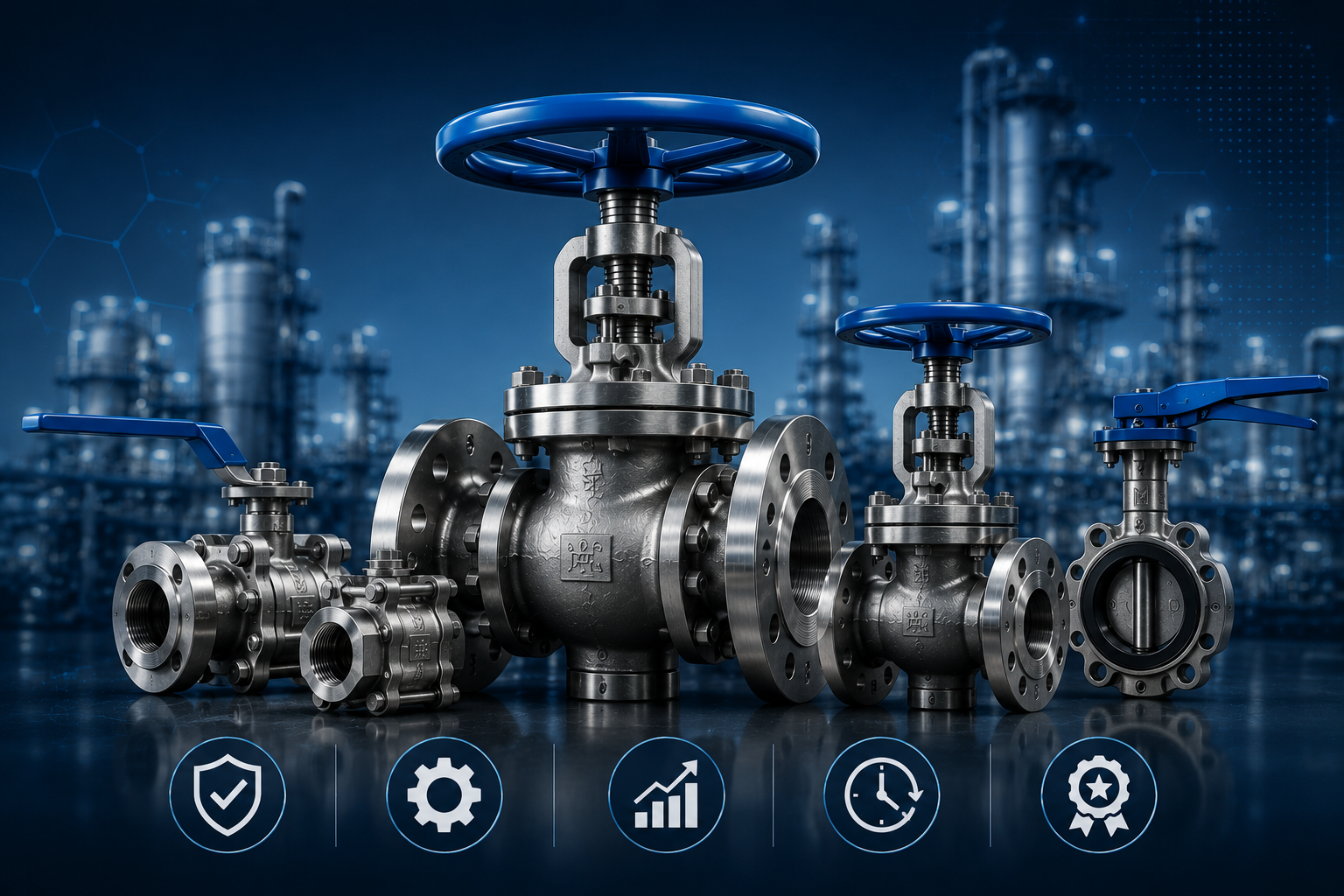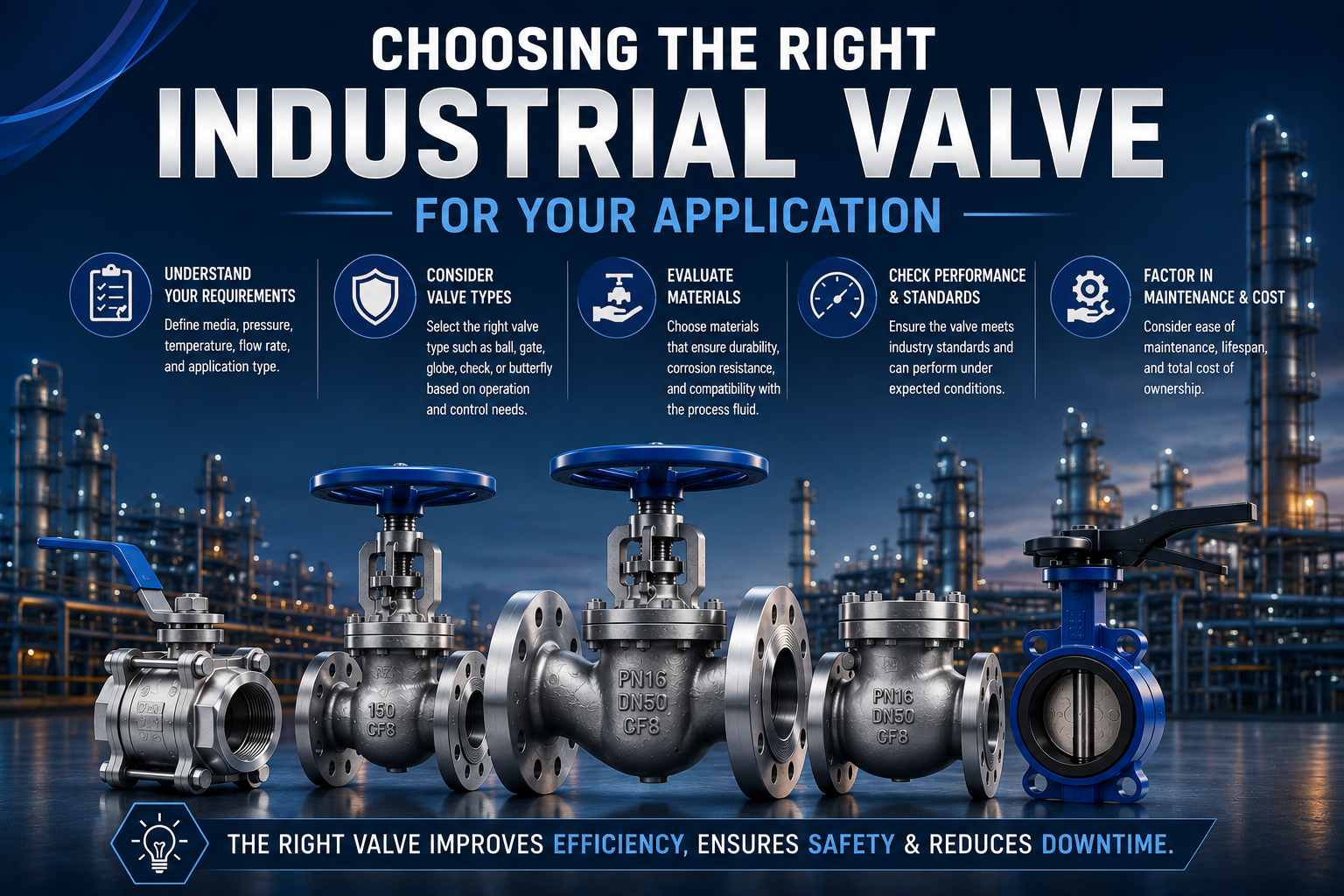

As industries embrace automation, digital transformation, and Industry 4.0 initiatives, smart valve technology is rapidly becoming a key component of modern industrial operations. Smart valves combine traditional flow control functions with advanced sensors, communication systems, and intelligent monitoring capabilities, allowing businesses to optimize performance, improve efficiency, and reduce operational risks.
Unlike conventional valves that require manual inspection and maintenance, smart valves provide real-time data on operating conditions, valve position, pressure, temperature, and system performance. This enables operators to make informed decisions, detect potential issues early, and ensure continuous process reliability across critical applications.
Smart valve technology is transforming industrial automation by delivering real-time insights, predictive maintenance capabilities, and enhanced operational efficiency.
— KARMA ValvesWhy Smart Valve Technology Is Gaining Importance
Industrial facilities are increasingly focusing on improving productivity while minimizing downtime and maintenance costs. Smart valves play a vital role in achieving these objectives by providing continuous monitoring and automated control of fluid systems.
With integrated sensors and communication networks, smart valves can transmit valuable performance data to centralized control systems. This allows operators to monitor equipment health remotely, optimize process parameters, and respond quickly to changing operating conditions.
- Real-time monitoring of valve performance
- Improved process control and automation
- Early detection of system abnormalities
- Predictive maintenance capabilities
- Reduced operational downtime
- Enhanced energy efficiency and resource management
Key Features of Smart Valves
Smart valves incorporate advanced technologies that go beyond basic flow regulation. Their intelligent features help industries improve reliability, safety, and operational visibility throughout the production process.
- Integrated sensors for pressure, temperature, and flow measurement
- Remote monitoring and diagnostics
- Automated valve positioning and control
- Wireless and IoT connectivity options
- Performance analytics and reporting
- Predictive maintenance alerts and notifications
Industrial Applications of Smart Valve Technology
Smart valves are increasingly being adopted across various industries where process optimization, reliability, and safety are critical. Their ability to provide actionable data helps organizations improve operational performance and reduce maintenance-related disruptions.
- Oil & Gas Processing Facilities
- Chemical & Petrochemical Plants
- Water Treatment & Distribution Systems
- Power Generation Facilities
- Food & Beverage Manufacturing
- Pharmaceutical Production Plants
- Mining & Industrial Processing Operations
Benefits of Smart Valves for Modern Industries
One of the greatest advantages of smart valve technology is its ability to support predictive maintenance strategies. By continuously analyzing performance data, smart valves can identify wear, leakage, or performance degradation before a failure occurs.
This proactive approach helps reduce maintenance costs, improve equipment lifespan, and prevent costly production interruptions. Additionally, smart valves enhance workplace safety by providing accurate operational data and enabling remote management of critical systems.
The Future of Smart Valve Technology
The future of smart valve technology is closely linked to advancements in artificial intelligence, machine learning, and Industrial Internet of Things (IIoT) platforms. Future smart valves will become even more intelligent, capable of self-diagnosis, adaptive control, and autonomous decision-making based on real-time process conditions.
As industries continue investing in digital infrastructure and connected systems, smart valves will play an increasingly important role in improving operational efficiency, sustainability, and reliability. Their ability to deliver valuable insights and automate critical processes positions them as a cornerstone of next-generation industrial facilities.
Conclusion
Smart valve technology is revolutionizing industrial flow control by combining automation, connectivity, and data-driven intelligence. As businesses seek greater efficiency, predictive maintenance capabilities, and improved process visibility, the adoption of smart valves will continue to accelerate. Investing in smart valve solutions today helps industries prepare for a more connected, efficient, and technologically advanced future.