Industrial valves are essential components in fluid control systems, playing a critical role in regulating the flow of liquids, gases, and steam across various industries. The quality of these valves directly impacts operational efficiency, safety, and long-term system performance. Investing in high-quality industrial valves helps businesses minimize downtime, reduce maintenance costs, and ensure reliable operation in demanding environments.
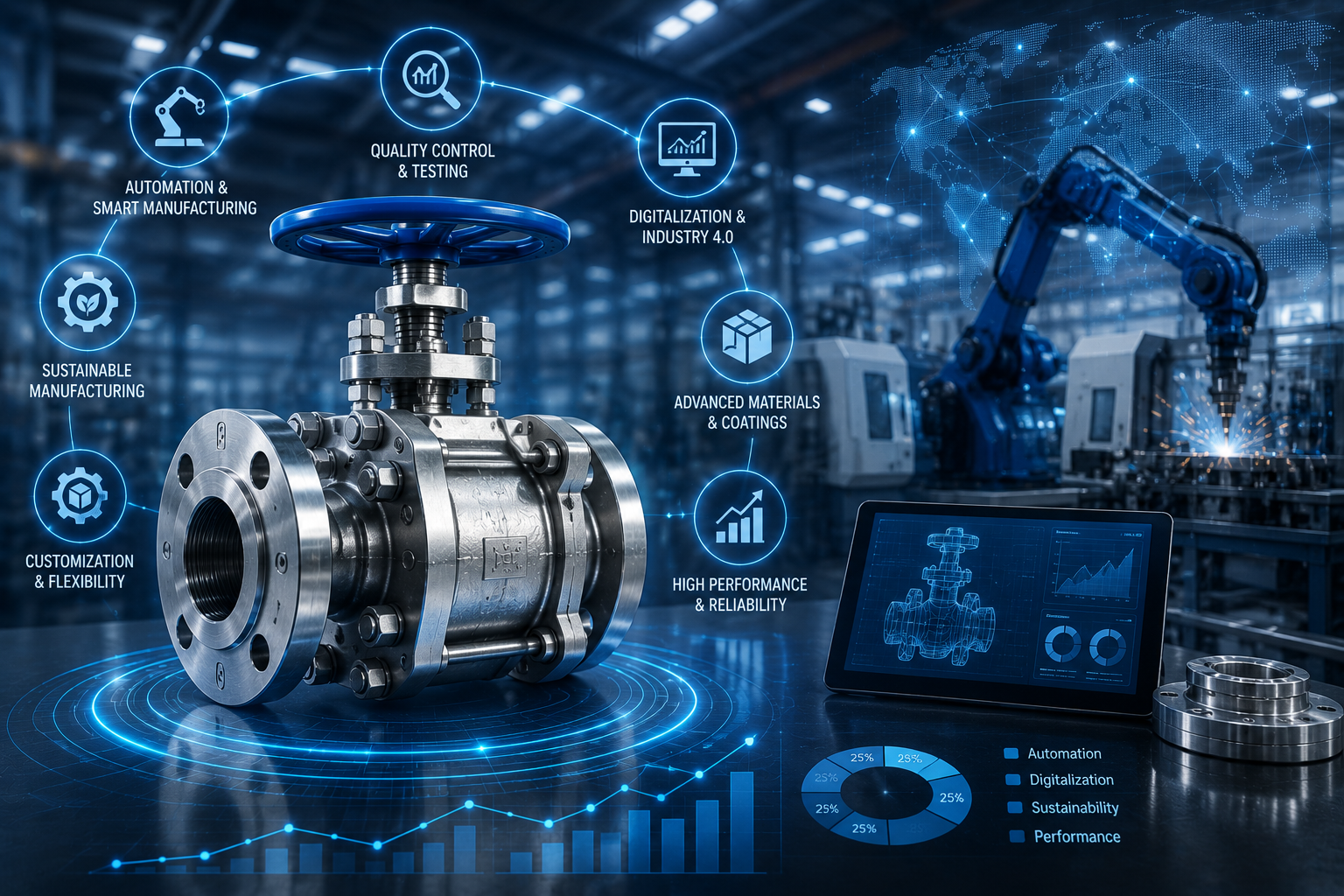
While lower-cost alternatives may offer short-term savings, they often result in frequent repairs, leakage issues, and premature failures. High-quality industrial valves are engineered using superior materials and advanced manufacturing processes, ensuring consistent performance even under extreme pressure, temperature, and corrosive conditions.
High-quality industrial valves provide the reliability, durability, and performance needed to keep critical operations running safely and efficiently.
— KARMA ValvesWhy Valve Quality Matters
Industrial systems rely on precise flow control to maintain productivity and operational stability. A poorly performing valve can lead to leakage, pressure fluctuations, equipment damage, and unexpected shutdowns. High-quality valves help eliminate these risks by delivering dependable performance throughout their service life.
Manufacturers that prioritize quality control, material selection, and rigorous testing ensure that their valves meet industry standards and perform consistently across a wide range of applications.
- Improved system reliability and performance
- Reduced risk of leakage and equipment failure
- Enhanced operational safety
- Longer service life and durability
- Lower maintenance and replacement costs
- Better compliance with industry standards
Key Benefits of High-Quality Industrial Valves
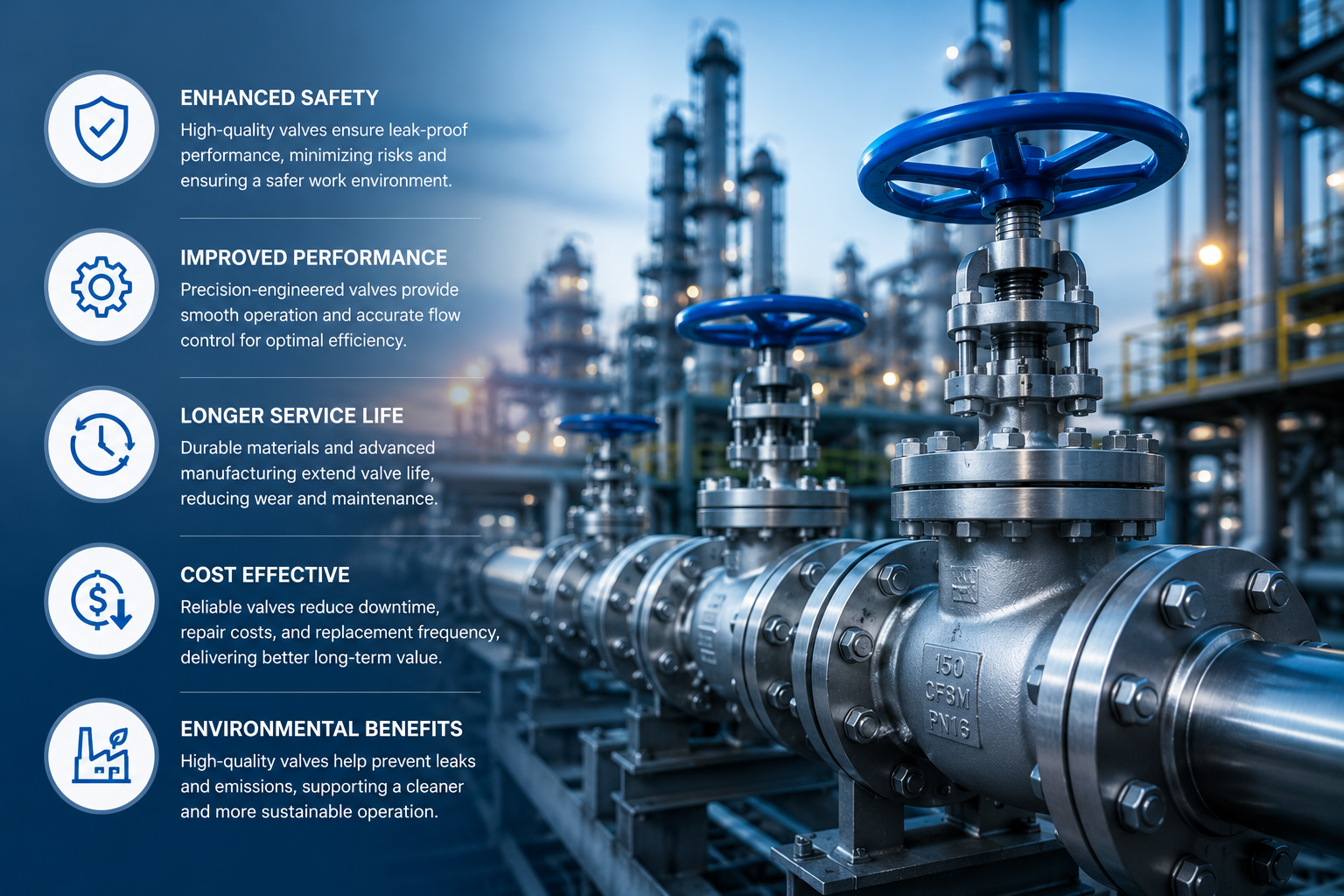
Investing in premium industrial valves offers significant advantages for businesses looking to optimize their operations and reduce long-term costs.
- Superior durability in demanding environments
- Consistent performance under high pressure and temperature
- Improved sealing capabilities to prevent leaks
- Reduced maintenance requirements and downtime
- Greater resistance to corrosion and wear
- Enhanced efficiency of fluid handling systems
Applications Across Industries
High-quality industrial valves are widely used in industries where safety, efficiency, and reliability are critical. Their robust construction allows them to handle challenging operating conditions while maintaining optimal performance.
- Oil & Gas Processing Facilities
- Chemical & Petrochemical Plants
- Power Generation Stations
- Water Treatment & Distribution Systems
- Food & Beverage Manufacturing
- Pharmaceutical Production Facilities
- Marine and Offshore Operations
Long-Term Cost Savings
Although high-quality valves may require a greater initial investment, they often deliver substantial long-term savings. Their durability and reliability help reduce repair expenses, minimize production interruptions, and extend the lifespan of connected equipment.
By reducing the frequency of maintenance and replacements, businesses can achieve lower total ownership costs while improving operational efficiency and productivity.
Supporting Safety and Compliance
Industrial facilities must adhere to strict safety and regulatory standards. High-quality valves help maintain safe operating conditions by providing accurate flow control and dependable shut-off capabilities. Their compliance with industry certifications and quality standards ensures confidence in critical applications.
Reliable valve performance also helps prevent accidents, environmental incidents, and product contamination, making them a valuable investment for any industrial operation.
Conclusion
High-quality industrial valves are essential for ensuring reliable, efficient, and safe industrial operations. Their superior construction, long service life, and consistent performance help businesses reduce downtime, lower maintenance costs, and improve overall productivity. By investing in quality valve solutions, industries can achieve greater operational stability and long-term value while maintaining the highest standards of safety and performance.